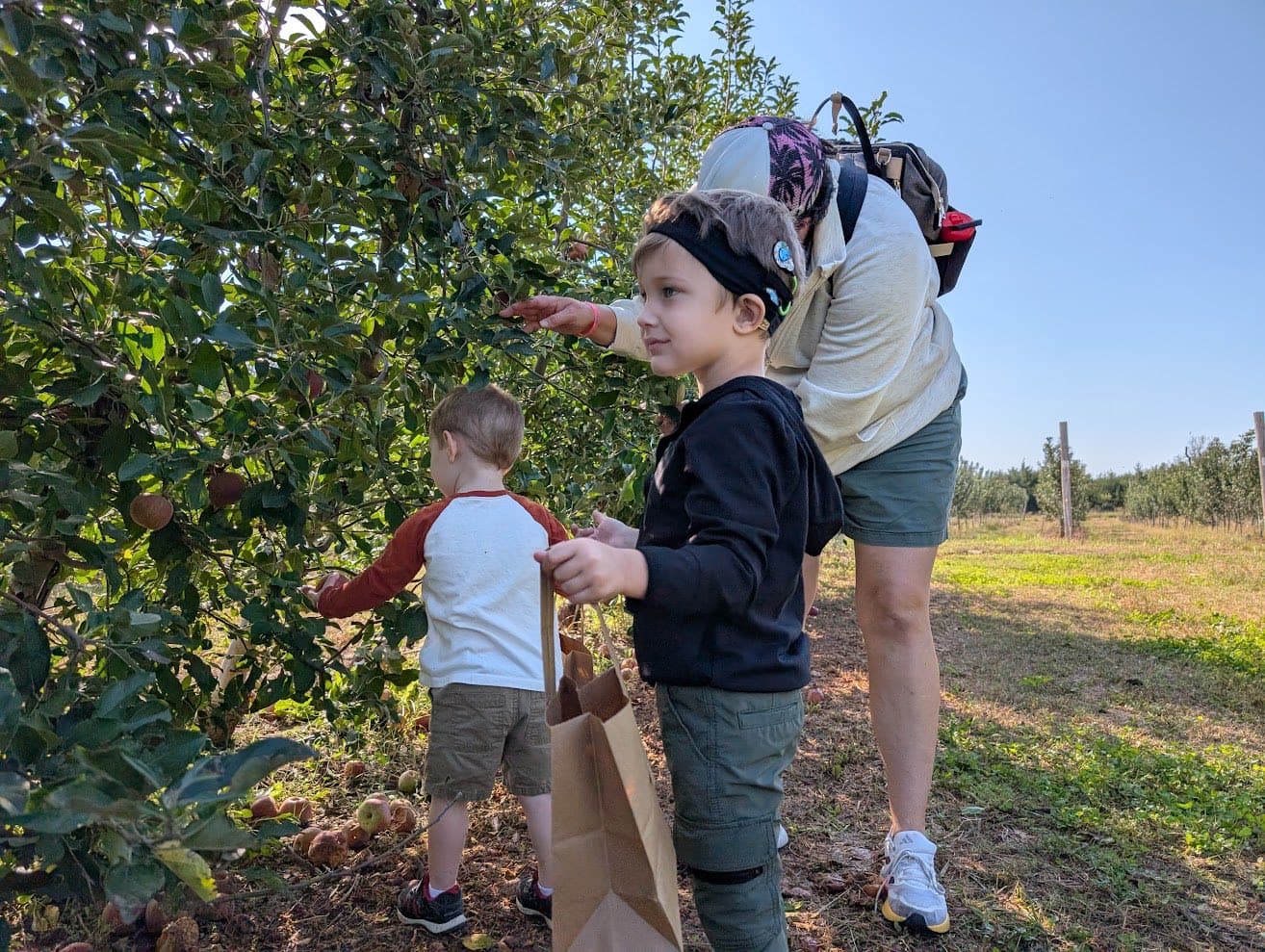
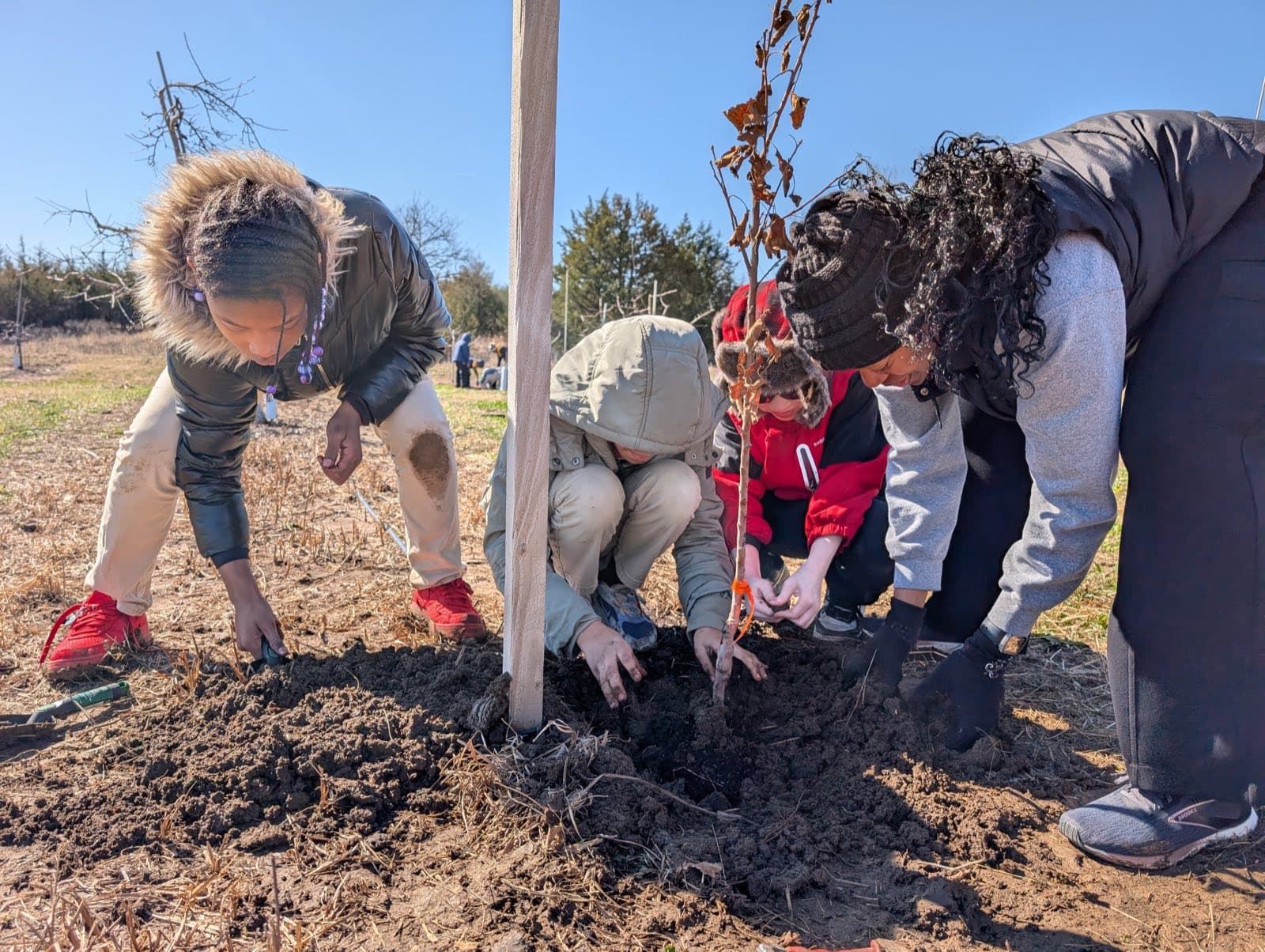
Farm days for homeschool co-ops, microschools, and private classes — with the whole family along, ages mixed, and the option to make it a year instead of an afternoon.
Ages
All of them
Siblings and toddlers welcome
Group size
Up to 70
Children in the instructional group
Best days
Wed–Fri
Quietest farm, most of us on hand
Length
Two hours
Stay the rest of the day at no extra charge
The farm year
One visit is a lesson. Four is an education.
Most children meet a farm exactly once, in October, and conclude that farming is a harvest. Come in each season and they watch the same trees do four completely different things — and they start asking better questions.
1
March – April
Bloom
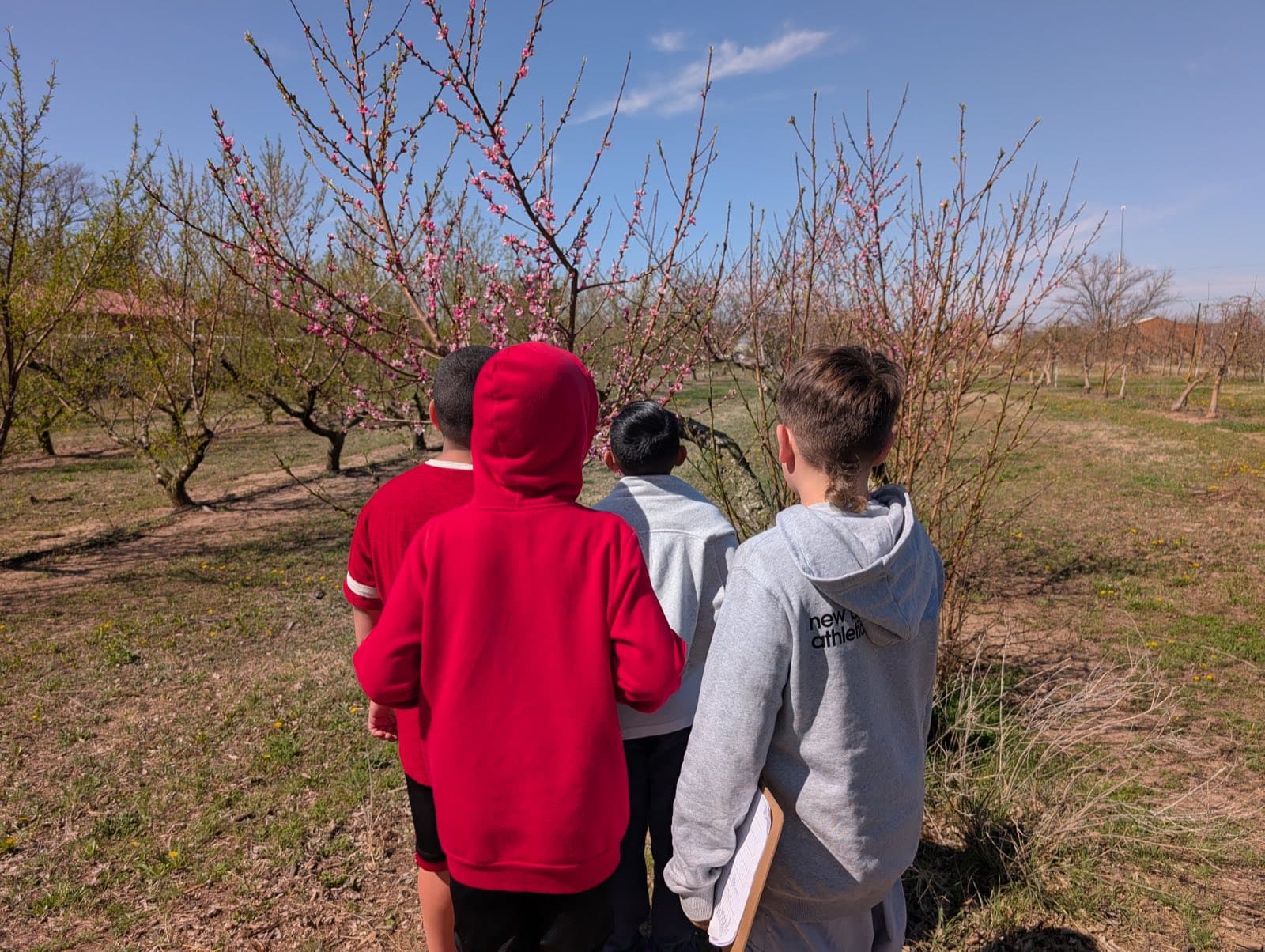
Peach and apple blossom, grafting, and the first bees of the year.
Why does a tree flower before it leafs out? What happens if it's warm in February?
2
May – June
Fruit set
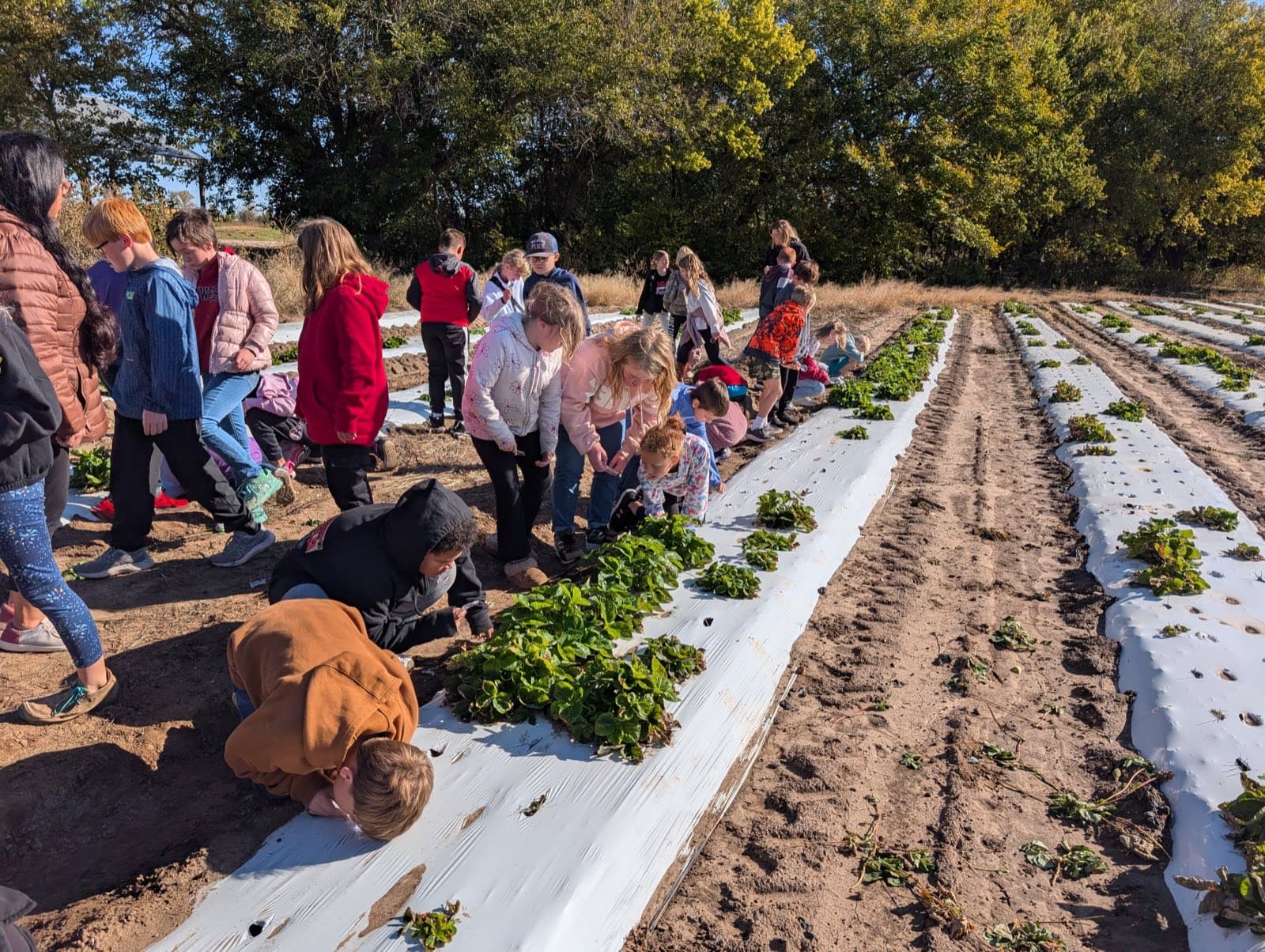
Strawberries in the patch, thinning young apples, and the high tunnel in full growth.
Why do we pull off perfectly good baby apples? What is the plant deciding?
3
August – October
Harvest
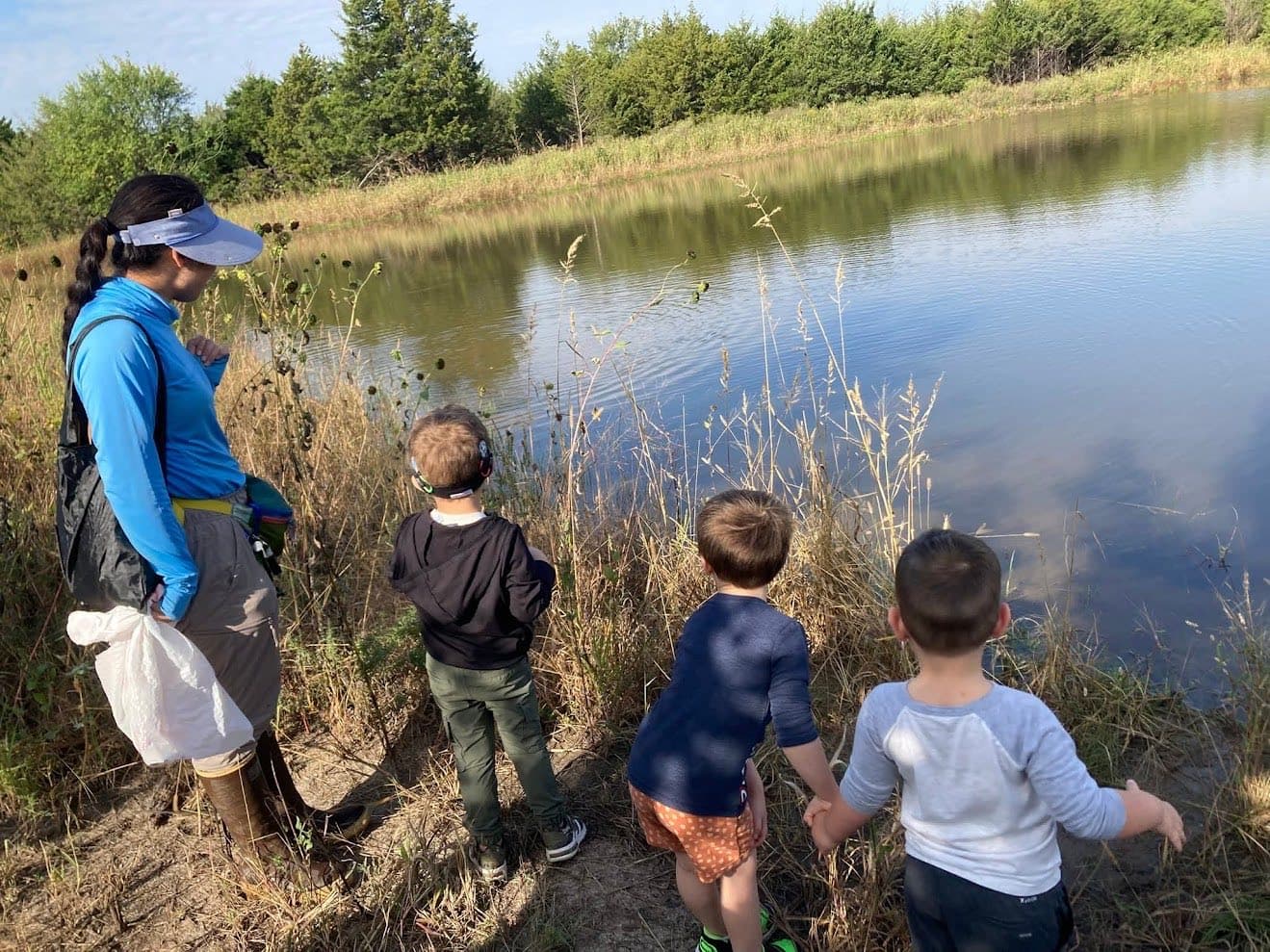
Picking, the crusher and press, the pumpkin patch, and the pond at its lowest.
Where did the mass of this apple actually come from? Not the soil.
4
November – February
Dormancy
Pruning, tree planting, animal care in the cold, and tracks in the mud.
The farm looks asleep. So why is this the busiest month for the people who work it?
What it costs
Priced per person, not per student.
A single farm day
$18.00
per person, per visit
Two hours of guided, hands-on instruction
Admission for the whole day, not just the program
Farm produce for every participating child
Children under 3 come free
$200.00 minimum per group
The four-season pass
$56.00
per person for all 4 visits — saves $16.00
Bloom, fruit set, harvest, and dormancy
The same trees, followed through a full year
Reserve all four dates at once, reschedule freely
Add a family mid-season at the single-day rate
Everyone attending is counted, including parents and babies, because that is how we staff the day and account for your group in an emergency. Children under 3 are counted but not charged.
How this differs
Not a school trip with different children.
A homeschool day is built around families arriving together rather than a class arriving on a bus. That changes the rules in your favour, and in a couple of places it tightens them.
Bring the whole family
Unlike a school trip, younger siblings and toddlers are welcome to come along with you. They wait at the playground and pond during the instructional block, supervised by their own adult.
Built for mixed ages
One shared demonstration, then we split for the hands-on part so a six-year-old and a fourteen-year-old are each doing something worth their time.
Everyone is counted
We count every person who walks onto the property — children, parents, babies — for staffing, capacity, and emergency planning. It is how we keep track of your group.
Arrive on your own time
You're coming in cars, not a bus. The gate opens twenty minutes before we start, so a late family doesn't hold up the group.
Parents are participants
You are not chaperones assigned to somebody else's children. You're here to learn it too, and the instructor teaches to the adults as much as the kids.
We move as one group
During the instructional block families stay with the group and follow the instructor. Afterwards the farm is yours for the rest of the day.
How a homeschool day differs from a school trip: everyone attending is counted, younger siblings are welcome, and families move as one group during the programme.
Each of these can be read in full on this site or downloaded as a PDF. They are generated from one source, so the page and the PDF always say the same thing.
Long sleeves, long pants, and closed-toe shoes for everyone who is coming into the orchard — adults included. There is no drinking-quality running water on site, so bring filled bottles.
Book a farm day
Tell us about your families.
Co-op leaders: one message books the whole group. Send the total number of people coming and the spread of ages, and Sayako will come back within two working days with a plan and a date.