
School field trips
A field trip your principal can approve.
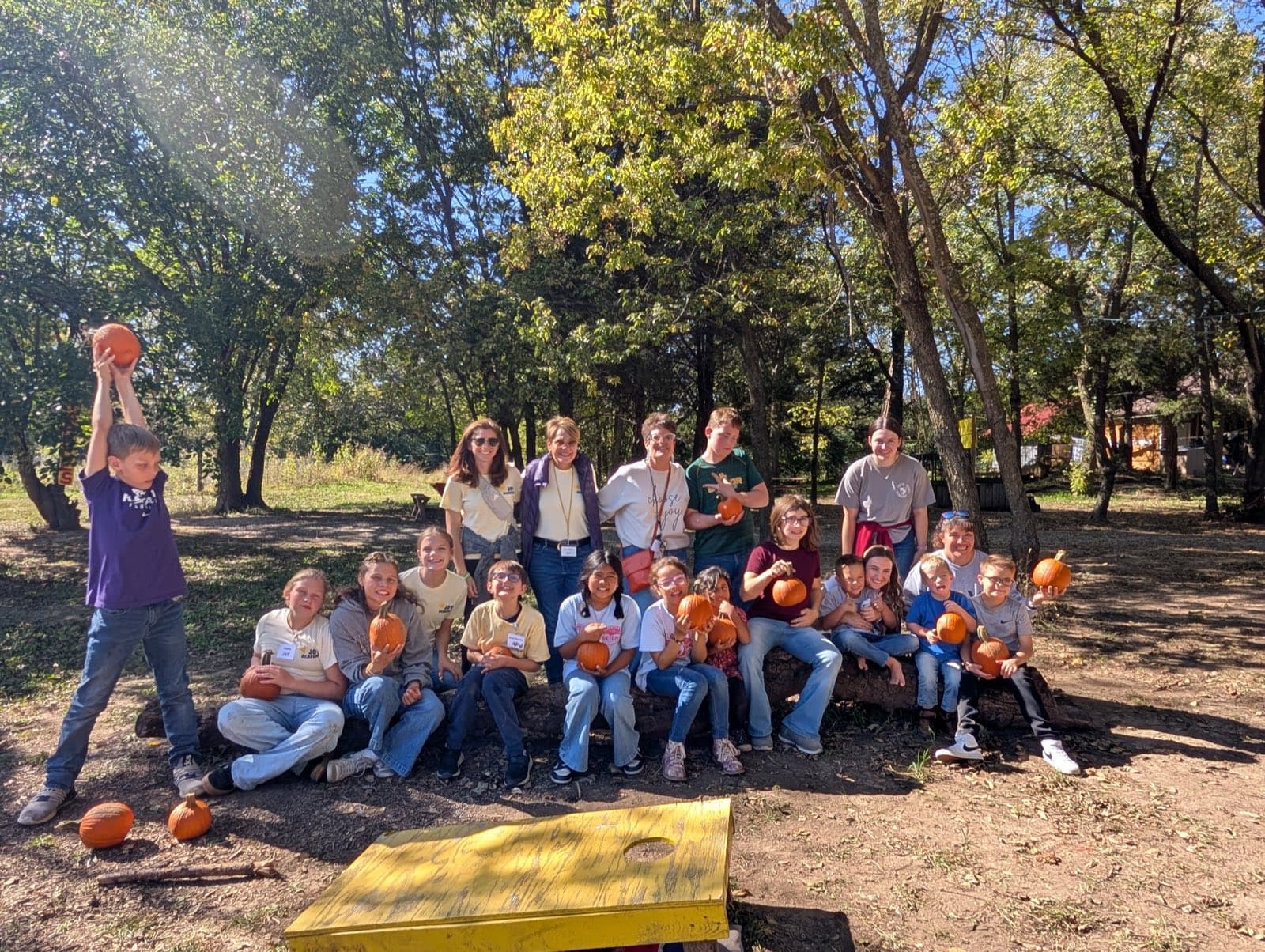
Group size
Up to 70
School-age children at one time
Length
Two hours
10am–12pm · extendable in 2-hour blocks
Payment
Purchase order
Invoiced · tax-exempt accepted
Season
Year-round
Wednesday through Friday for schools
The paperwork
Everything you need
to get a yes.
Download what applies to your building. Most teachers need the principal overview and the sign-off form to start, and the signed policy acknowledgment a week before the visit.
Group visit information sheet
The overview to print or forward — programmes, prices, hours, and what to bring, for all three kinds of group.
Anyone planning a group visit
Field trip policy
The full terms for a school visit: supervision, safety, fees, liability, weather, photography, and the acknowledgment your chaperone leader signs.
Teachers, chaperones, and school administrators
Principal overview
The safety, supervision, insurance, and FERPA picture for an administrator who needs to approve a destination.
Principals and district administrators
Standards alignment
Performance expectations by grade band, matched to what students actually do on the farm — the curriculum rationale for an approval packet.
Teachers and curriculum reviewers
Principal sign-off form
One page for your principal to sign, approving the farm as a destination for your school.
Signed by your principal
District approval cover
A cover sheet for central district review, where destinations are approved once for every school rather than per building.
Signed by your district office
Teacher quick guide
Roles, clothing, supervision rules, and fees on two pages — the version to forward to your chaperones.
Teachers and chaperones
Teacher to-do checklist
A dated checklist from first inquiry to the drive home, so nothing lands on you the night before.
Worked through by the lead teacher
Educational philosophy
How Mrs. Schwing thinks about place-based learning, in twelve principles. Worth reading if you are deciding where to take a group.
Anyone choosing between destinations
Read them, or print them
Every document above can be read in full on this site or downloaded as a PDF to print and sign. They are all generated from one source, so the page and the PDF always say the same thing.
Your district will likely ask for a certificate of insurance naming them as additional insured. We issue those per district rather than posting one publicly — request it with your booking and we'll send it the same week.
Before you write the purchase order
What your trip costs.
4 free at our 1:5 ratio.
- Two-hour guided program, 24 students
- $336.00
- 4 chaperones at 1:5
- Included
Total
$14.00 per student
$336.00
Includes admission, every guided activity, and farm produce for each student to take home. Invoiced to your district against a purchase order — we do not need a card. Tax-exempt schools should send their certificate with the booking.
Standards alignment
Written to the Kansas
science standards.
Kansas adopted the Next Generation Science Standards, so we plan each visit against the performance expectations for your grade band. Tell us which ones you are working on and we build the activity block around them.
Early elementary
Grades K–2
Walk the rows, sort what a plant needs, and meet the animals that live in the orchard.
- K-LS1-1What plants and animals need to survive
- K-ESS3-1How living things depend on their place
- 2-LS2-1Plants need water and light to grow
- 2-LS4-1Diversity of life in a habitat
Upper elementary
Grades 3–5
Trace an apple from bud to press, then follow where the matter came from and where it goes.
- 3-LS1-1Life cycles of plants and animals
- 5-LS1-1Plants get materials for growth from air and water
- 5-LS2-1Movement of matter through an ecosystem
- 5-ESS3-1Protecting earth's resources and environment
Middle school
Grades 6–8
Sample the prairie edge and the orchard floor, then argue about what the land is doing and why.
- MS-LS2-1Resource availability and organisms in an ecosystem
- MS-LS2-4How change to an ecosystem affects its populations
- MS-ESS3-3Monitoring and minimising human impact
A sample day
Two hours, start to bus.
This is the block most schools run. It fits inside a single bus dispatch and lands you back before afternoon routes. Every part of it is negotiable when we plan together.
- 10:00
Buses arrive
Unload to the picnic area, restroom break
- 10:15
Safety orientation
Boundaries, the animals, what to do if you get separated
- 10:30
Activity of choice
The hands-on block you pick when we plan together
- 11:00
Snack and break
Bring your own — shaded picnic tables and shelters
- 11:15
Farm tour or trail hike
On foot, or by trailer if walking distance is a concern
- 11:45
Load up
Back to the buses
- 12:00
Departure
Fits inside one bus dispatch, before afternoon routes
Your group is welcome to stay on the farm after the program ends, during regular hours, at no extra admission.
What districts ask
The answers, up front.
- Are you insured?
- Commercial general liability at $1,000,000 per occurrence and $2,000,000 aggregate. We issue a certificate naming your district as additional insured — ask when you book.
- How do we pay?
- By invoice against a purchase order. We do not need a card, and payment is due one week before the visit along with the signed policy acknowledgment. Send your tax-exempt certificate with the booking.
- Who supervises the students?
- Our instructor leads and makes the final safety call. Your teachers and chaperones supervise their assigned groups throughout — students stay with their group at all times.
- What about photo consent?
- We may photograph the visit for educational and promotional use, and we rely on your district's existing FERPA and media consent procedures rather than collecting our own. Tell us on arrival about any opt-outs.
- Is the farm accessible?
- Parts of the farm are wheelchair accessible, and we adjust route and walking distance to the group. Required one-to-one support staff for special education and IDD programs are admitted free when arranged in advance.
- What if the weather turns?
- We run in most conditions. If severe weather is forecast, call the instructor by 7:30 a.m. and we decide together whether to modify, postpone, or cancel. We reschedule where we can.
Before you come
Send everyone in long sleeves.
RequiredLong sleeves, long pants, and closed-toe shoes. This is a working orchard with tools, uneven ground, and animals.
Bring waterThere is no drinking-quality running water on site. Every student needs a filled bottle, and more than you think in a Kansas September.
Snacks and lunchBring your own. Restrooms, shaded picnic tables, and covered shelters are on site.
Younger siblingsField trips are for registered students. Non-participating children need their own supervising adult and wait at the playground.
Start a trip
Tell us what you're teaching.
Send this and Sayako replies within two working days to confirm the date and build the schedule with you. Nothing is charged and no date is held until you hear back.